

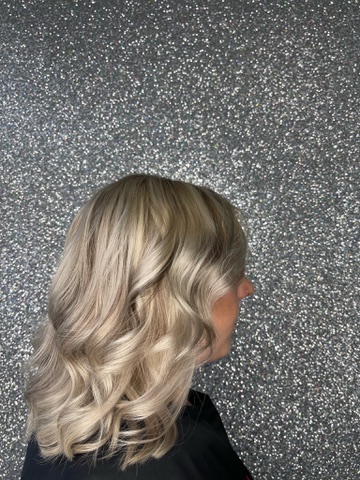
Why Hair Salons Should Cater to SEN and Disabilities
Hair salons have long been spaces for self-expression,
confidence-building, and relaxation. However, for individuals with
special educational needs (SEN) and disabilities, a typical salon
experience can often feel intimidating, inaccessible, or even
overwhelming. Whether due to sensory sensitivities, mobility issues, or
other challenges, many people with SEN or disabilities find that salons
are not always designed with their needs in mind. Yet, there is a
growing recognition that hair salons should cater to these individuals
by offering inclusive services that promote accessibility, comfort, and
care for all customers. Here’s why hair salons should be more inclusive
of SEN and disability needs.
1. Promoting Inclusivity and Equality
Everyone deserves to feel valued and confident, regardless of their
abilities. When salons actively cater to individuals with SEN and
disabilities, they promote inclusivity and equality. Accessible services
ensure that people with diverse needs can enjoy the same experiences as
those without disabilities. Inclusive salons create environments where
everyone is treated with respect and dignity, fostering a sense of
belonging and empowerment.
By making the effort to accommodate SEN and disabled clients, hair
salons signal that they are open and welcoming to all members of
society. This can help break down societal barriers and promote a more
compassionate, understanding community.
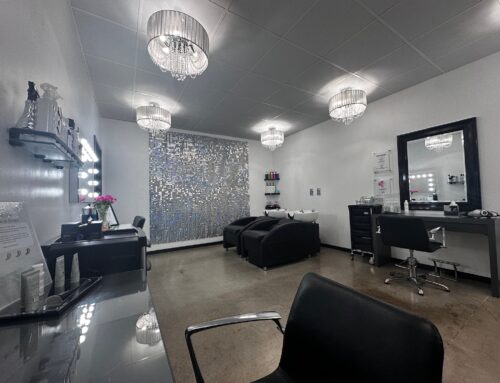
2. Creating a Comfortable and Safe Environment
For many individuals with SEN or disabilities, sensory sensitivities can
make the experience of going to a hair salon challenging. Bright lights,
loud noises, and the close proximity of others can cause discomfort and
anxiety. By making adjustments such as dimming lights, reducing noise,
or offering sensory-friendly products, salons can create a more
comfortable atmosphere for clients who may be sensitive to their
environment.
Moreover, salons can provide quiet rooms or private spaces for those who
may need a calmer, more controlled environment. This ensures that
individuals with sensory processing disorders, autism, or other related
conditions feel safe and comfortable while receiving hair care services.
3. Enhancing Accessibility for Mobility Impairments
Individuals with physical disabilities or mobility impairments often
face challenges when navigating public spaces. Traditional salon layouts
may not be designed with wheelchair access or other mobility needs in
mind. Salons can take steps to enhance accessibility by ensuring that
entrances are wheelchair-friendly, pathways are clear, and seating is
adaptable to a range of mobility devices.
Additionally, adjusting the height of salon chairs, providing adequate
support during treatments, and offering assistance from staff can go a
long way in making the salon experience more accessible. These changes
can help ensure that clients with physical disabilities can comfortably
and safely receive their services without feeling excluded or
uncomfortable.
4. Providing Specialised Training for Staff
Creating an inclusive salon requires more than just physical
adaptations—it also involves training staff to understand and respond to
the unique needs of clients with SEN and disabilities. Stylists and
salon employees should be educated on the various challenges faced by
these individuals, such as sensory overload, communication difficulties,
or mobility concerns. This knowledge allows staff to provide a more
empathetic, patient, and supportive experience.
A well-trained team can make a world of difference, ensuring that all
customers feel comfortable, heard, and cared for.
5. Fostering Independence and Confidence
Visiting the salon is often an important part of self-care and personal
grooming. For individuals with SEN or disabilities, the ability to
access this service can have a profound impact on their sense of
independence and self-esteem. When salons cater to these individuals,
they provide the opportunity for them to take part in the same grooming
experiences as others, boosting their confidence and enhancing their
well-being.
Whether it’s a new haircut, a colour change, or simply a regular trim, a
salon visit can help individuals feel more in control of their
appearance. This, in turn, can have positive effects on their mental
health and self-confidence, contributing to a greater sense of pride and
accomplishment.
6. Building a More Diverse Client Base
Catering to SEN and disability clients is not only beneficial for the
individuals but also for the business itself. By offering inclusive
services, hair salons can tap into a broader and more diverse client
base, building a reputation as an inclusive and accessible business.
This can help attract clients who value diversity and who may have
previously felt excluded from mainstream beauty services.
Furthermore, creating an inclusive environment fosters loyalty and
trust, as clients are more likely to return to a salon where they feel
respected and well cared for. Word of mouth from satisfied clients can
help a salon grow its reputation as a place where everyone is welcome,
leading to greater customer retention and success.
Conclusion
Creating inclusive and accessible spaces in hair salons for individuals
with SEN and disabilities is essential for fostering equality, dignity,
and respect. By making small but impactful changes to the physical
environment, training staff, and offering tailored services, salons can
ensure that everyone, regardless of ability, has the opportunity to
enjoy a relaxing and empowering salon experience. The beauty industry
has the power to set an example for inclusivity, demonstrating that
beauty is for everyone and that every individual deserves to feel
comfortable, confident, and cared for.
Why Hair Salons Should Cater to SEN and Disabilities
Share This Story, Choose Your Platform!
About the Author: The Salon Upstairs





Leave A Comment