

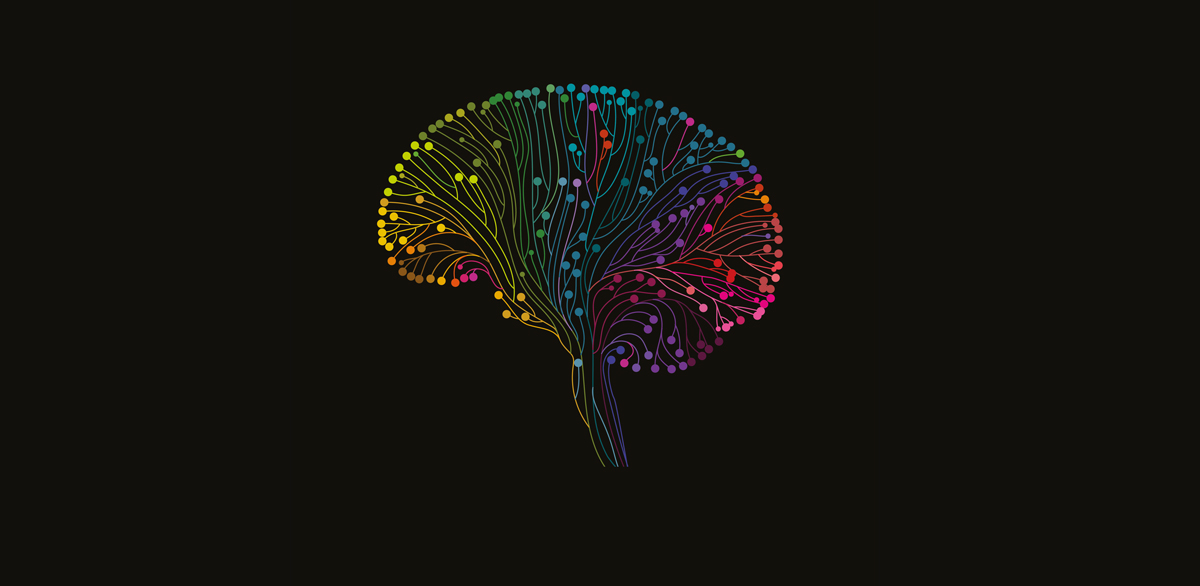
Colour psychology is the study of how different colours can affect our emotions, behaviours, and perceptions. The colours we see can have a profound impact on our mood and can influence our decision-making, feelings of calmness or energy, and even our appetite.
Different colours are associated with different emotions and moods. For example, red is often associated with energy, passion, and excitement, while blue is associated with calmness, trust, and professionalism. Yellow is associated with happiness, optimism, and creativity, while green is associated with balance, growth, and harmony.
Colour psychology is often used in marketing and branding to influence consumer behaviour. For example, fast-food chains often use red and yellow in their logos and interior design to create a sense of energy and excitement, which can make customers feel hungry and eager to order. Similarly, healthcare facilities often use blue and green in their branding to create a calming and reassuring atmosphere.
In addition to marketing and branding, colour psychology can also be used in interior design and home decor. Choosing colours for your home that reflect the mood and atmosphere you want to create can have a significant impact on how you feel in that space. For example, using calming blues and greens in a bedroom can create a sense of relaxation and tranquillity, while using vibrant oranges and yellows in a living room can create a sense of energy and excitement.
Overall, colour psychology is an important field of study that can help us better understand how colours can influence our emotions and behaviour. By being aware of the emotional and psychological effects of different colours, we can make more informed choices in our branding, marketing, and design efforts, and create environments that reflect the mood and atmosphere we want to convey.






Leave A Comment