

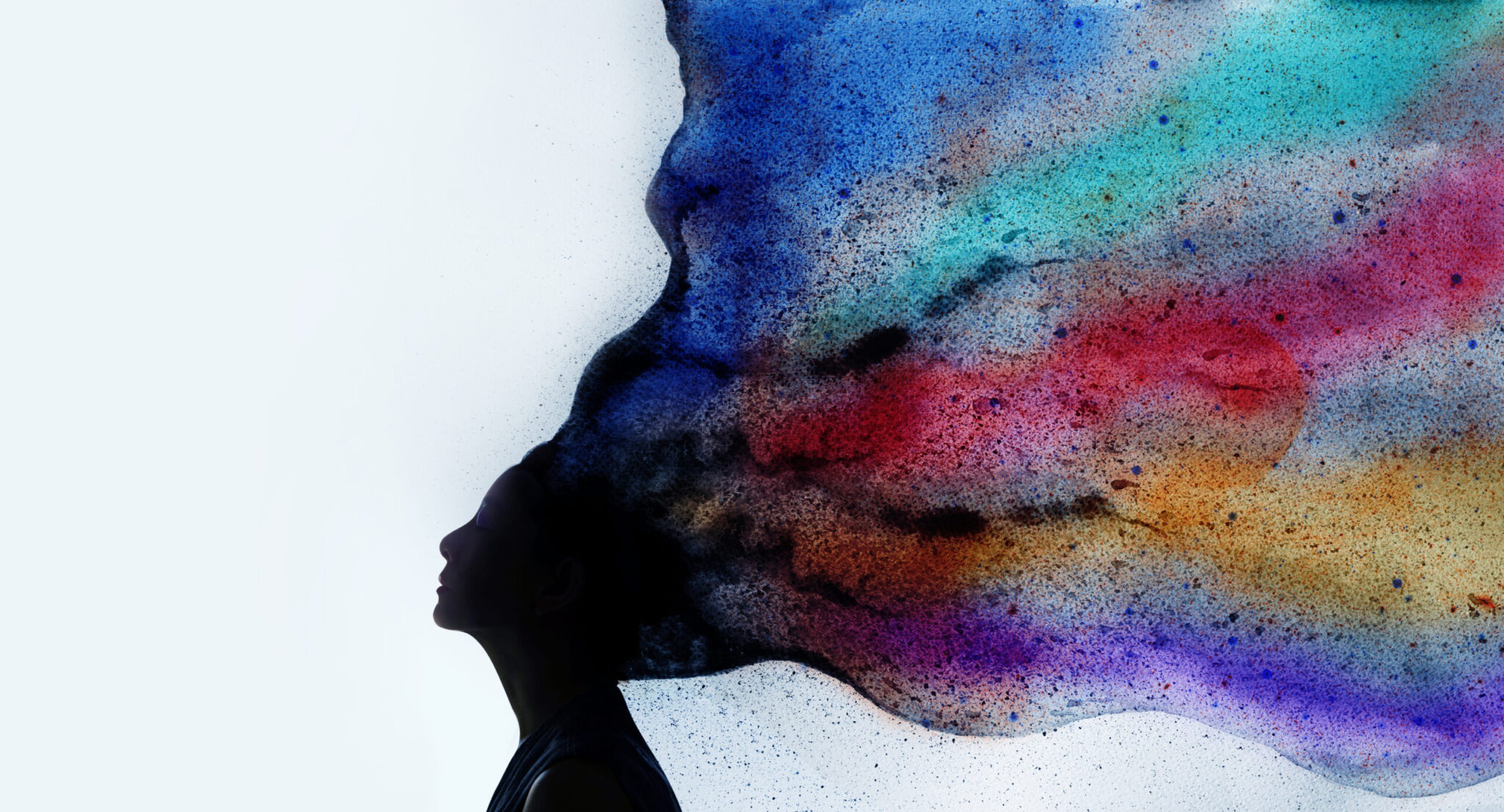
Salon psychology refers to the study of how human behavior and psychology intersect in a salon or hairdressing environment. In this context, salon psychology can refer to both the psychology of the hairdresser and the psychology of the client.
The psychology of the hairdresser involves understanding the motivations, attitudes, and behavior of salon professionals. A hairdresser’s job requires them to interact with a diverse range of clients, each with their own unique needs and preferences. As a result, hairdressers need to be skilled at reading body language, interpreting non-verbal cues, and building rapport with their clients.
For the client, salon psychology involves understanding the psychology of the beauty industry and how it can impact their own behavior and self-image. Clients may come to the salon with a variety of emotional and psychological needs, such as wanting to feel more confident, attractive, or relaxed. The salon experience can be a powerful tool for helping clients achieve these goals, but it can also have negative effects if not handled properly.
One key aspect of salon psychology is understanding the role of social influence and group dynamics in the salon environment. Clients may be influenced by the opinions and behaviors of other clients or the hairdresser themselves. Additionally, the salon environment can create a sense of community and belonging, which can have both positive and negative effects on a client’s self-esteem and behavior.
Another important aspect of salon psychology is the impact of physical appearance on self-esteem and well-being. Clients may have a range of body image issues, which can impact their self-esteem and mental health. The salon environment can be a powerful tool for helping clients feel more confident and comfortable in their own skin, but it can also perpetuate unrealistic beauty standards and contribute to negative body image.
Overall, salon psychology is an important field of study that can help hairdressers and clients alike understand the psychological factors that impact the salon experience. By being aware of the psychological needs and motivations of both parties, hairdressers can provide a more empathetic and effective service, and clients can feel more empowered and confident in their appearance.





Leave A Comment